
Central Coast Colorbond Wall Cladding Installation
Central Coast Metal Roofers specialise in Central Coast colorbond wall cladding installation, providing durable and stylish solutions using Colorbond steel and other quality materials. Our expert team ensures efficient installation of coastal cladding options that enhance your home’s energy efficiency and protection.
Call Now!
Exploring Material Options for Coastal Wall Cladding
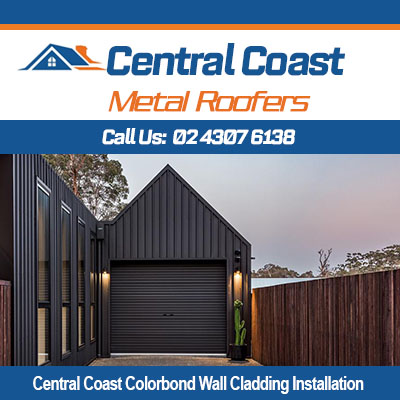
Choosing the right material for coastal cladding is important to make sure your home or building can handle tough weather while still looking good. Coastal areas expose wall cladding to salt, wind, sun, and moisture. These factors affect how long the cladding lasts and how much maintenance it needs. On the Central Coast, picking the right cladding materials helps protect your property, lasts longer, and improves the look of homes or commercial buildings.
When looking at Central Coast cladding options, focus on materials that resist weather, are strong, and easy to maintain. Using quality building supplies made for coastal conditions will help your exterior wall cladding last longer and improve your building’s energy efficiency.
What are the advantages of using Colorbond steel for cladding near the coast?
Colorbond steel is a top choice for coastal colorbond wall cladding installation because it is very durable and resists corrosion. Made in Australia with zincalume technology, Colorbond has a protective metal layer that works well in tough marine environments.
Benefits of Colorbond cladding include:
- Corrosion Resistant: Powder-coated finishes stop rust and damage from salt spray.
- Durable and Long Lasting: Strong steel keeps its shape and strength over time.
- Weather Resistant: Made to handle extreme weather common in coastal areas.
- Low Maintenance: Needs less care than many other metal cladding types.
- Energy Efficient: Reflective surfaces help keep interiors cooler.
- Versatile Appearance: Comes in many colours and finishes to match different building styles.
- Trusted Warranty: Supported by well-known manufacturers like Lysaght for quality.
For reliable Central Coast colorbond cladding installation, hiring professionals will make sure your cladding performs well and protects your property.
How does aluminium cladding compare to steel in coastal environments?
Aluminium cladding is another good option for coastal cladding because it is light and naturally resists corrosion. Comparing aluminium and steel for coastal wall cladding installation shows some key differences.
Advantages of aluminium cladding include:
- Corrosion Resistant: Forms a natural oxide layer that stops rust in marine areas.
- Lightweight: Easier and faster to install, lowering labour costs.
- Low Maintenance: Less likely to dent and only needs cleaning, no painting.
- Durable: Can handle harsh weather when treated properly.
- Cost Effective: Often more affordable upfront than some steel options.
Steel, especially Colorbond steel, usually offers more strength and impact resistance. Choosing the best Central Coast cladding option depends on what you need for performance and your budget.
Is fibre cement cladding a suitable option for homes on the Central Coast?
Fibre cement cladding is a flexible and cost-effective choice for coastal wall cladding. It is made from cement, sand, and fibers, giving it good strength and weather resistance, which is important for coastal climates.
Benefits of fibre cement cladding include:
- Durability: Handles wind, rain, and salt common on the Central Coast.
- Fire Resistant: Adds safety to homes.
- Low Maintenance: Does not rot or warp; just needs occasional cleaning.
- Attractive Finish: Looks like natural timber but needs less care.
- Cost Effective: Offers long-term value with few repairs.
- Versatile Styles: Works well with many building designs.
Its strength and good appearance make fibre cement cladding a trusted choice for Central Coast cladding by homeowners who want lasting protection.
What are the benefits of timber cladding and what types are most appropriate for coastal locations?
Timber cladding gives a natural, warm look to coastal homes and protects buildings when kept in good condition. Choosing the right types of timber helps make sure the cladding lasts in coastal areas.
Benefits of timber cladding include:
- Natural and Attractive: Adds a traditional and eco-friendly look.
- Durable: Hardwoods like eucalypt and paperbark fight decay and insects.
- Weather Resistant: Properly sealed timber handles sun, wind, and moisture.
- Sustainable: Using responsibly sourced timber supports the environment.
- Versatile Installation: Fits many building styles easily.
Hardwoods such as spotted gum and ironbark are common for Central Coast cladding because they are strong and resilient. Regular maintenance and treatment help timber last longer and keep its look in coastal conditions.
What is weathering steel cladding and is it suitable for coastal locations
Weathering steel cladding, also called COR-TEN steel, creates a stable rust-like layer (patina) that protects the metal underneath from more corrosion. This layer makes weathering steel a smart choice for coastal wall cladding installation.
Key points about weathering steel cladding:
- Durable and Long Lasting: Forms a protective layer that lowers maintenance.
- Unique Finish: Has a distinct rustic look used in modern design.
- Corrosion Resistant: Good for some coastal spots where repainting less often is wanted.
- Low Maintenance: Does not need regular coatings or treatments.
- Protective Layer: The patina stops further rusting.
In very harsh marine areas, weathering steel should be checked carefully to ensure it will last. Asking cladding installation experts on the Central Coast can help decide if weathering steel fits your project’s coastal needs.
Ready to upgrade your property with strong and stylish coastal cladding? Contact Central Coast Metal Roofers today for expert advice and a free quote on the best cladding materials for your location and needs. Our team specialises in quality installations and supplies designed for Australian coastal conditions.
Have questions about coastal cladding? Please leave a comment below or contact us through our contact page. We are ready to help you find the best cladding for your Central Coast property.
Understanding the Wall Cladding Installation Process
How is Colorbond wall cladding installed on a Central Coast home?
Central Coast Colorbond wall cladding installation is carried out by skilled tradespeople with experience in residential building projects. The process includes fixing strong steel panels, often snaplock panels, known for their durability and seamless finish. Reputable manufacturers like Lysaght supply these high-quality materials made to suit coastal conditions.
Each panel is custom cut at the factory to ensure a perfect fit. This approach delivers excellent workmanship and long-lasting results. Coastal Colorbond wall cladding installation focuses on weather resistance and strength, making it a smart choice for homes on the Central Coast. Hiring professional wall cladding installation services provides a protective exterior that improves both appearance and energy efficiency.
What preparation is required before the wall cladding installation?
Good preparation is important for a successful wall cladding installation. The building surface should be clean, dry, and structurally sound before starting the work. This includes checking all building supplies such as roof tiles, gutters, downpipes, fascia, and flashing to confirm they are in good condition.
A moisture barrier is installed to protect the structure from water damage. Preparation also involves carpentry work to ensure correct alignment and support where the cladding will go. Tradespeople follow a safety checklist and use tools like power drills to get the site ready. Both residential and commercial requirements are met to comply with building standards and secure long-term performance.
What type of fasteners are used in wall cladding installations to resist corrosion?
Stainless steel fasteners are used in wall cladding installations to resist corrosion, especially in coastal areas exposed to salt air. These fasteners include screws, bolts, and clips with marine-grade protection to prevent rust and wear. Using corrosion-resistant fixings keeps the metal panels firmly attached over time.
Construction experts recommend choosing the right size and type of fasteners to keep the wall cladding system sturdy. Correct fixing methods help make the cladding durable and improve its ability to withstand weather conditions.
How are flashings integrated to ensure a watertight seal around windows and doors?
Flashings are essential for creating a watertight seal around windows and doors. During installation, flashings and sealants are added to direct water away from joints where leaks could occur. This prevents moisture from entering and protects the building structure from damage.
The process includes fitting trimwall systems and guttering that support the flashings and allow proper drainage. Tradespeople use proven methods to achieve waterproofing and protect against moisture while keeping the building looking good. Quality materials combined with skilled installation result in a strong weatherproof seal.
What are the common pitfalls to avoid during installation?
Some common problems to avoid during installation are:
- Water leaks caused by poor flashing or bad sealing
- Using the wrong or low-quality fasteners that can corrode
- Poor surface preparation leading to damage or misalignment
- Lack of experience causing product failure and voided warranties
- Not performing regular maintenance and inspections after installation
Experienced installers focus on quality control, safety, and thorough checks to avoid these issues. Hiring skilled professionals lowers risks and ensures the work meets building codes. Careful attention during installation results in a strong, easy-to-maintain exterior that lasts.
Maximising Energy Efficiency with Cladding
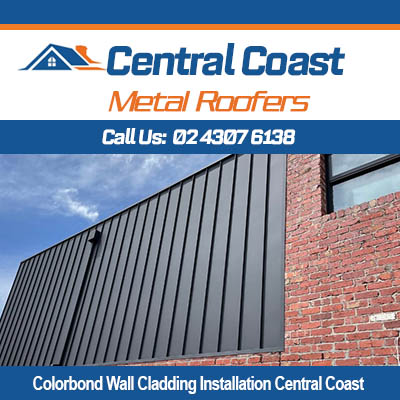
How does insulated wall cladding help to reduce energy consumption?
Insulated wall cladding improves the energy efficiency of residential homes, especially in coastal areas like the Central Coast. The insulation inside the cladding improves thermal performance by reducing heat loss in winter and limiting heat gain in summer. This lowers the need for extra heating and cooling.
The R-value measures how well the insulation resists heat flow. A higher R-value means better temperature control inside your home. Using the right insulated wall cladding helps reduce energy consumption and cuts down on energy bills. It also protects your home from harsh coastal conditions.
What R-value should I look for in cladding to improve my home's insulation?
The R-value shows how much a material slows down heat transfer. When choosing wall cladding for home insulation, look for an R-value between R3.0 and R5.0 for properties on the Central Coast. This range provides good thermal resistance to keep indoor temperatures steady despite changing weather.
Make sure the cladding you choose meets local building codes and energy efficiency rules. For coastal homes, pick cladding that is resistant to moisture and salt air while offering good insulation. This helps protect your home and saves energy.
Can wall cladding reduce the need for air conditioning during summer?
Yes, insulated wall cladding can lower the need for air conditioning in summer. The insulation reduces heat entering the home, keeping the inside cooler.
By improving the home's thermal barrier, cladding lessens the strain on cooling systems. This cuts energy use and saves money on electricity bills. This benefit is especially useful for coastal homes on the Central Coast, where summers can be hot but well-insulated cladding helps keep the house comfortable.
Using insulated cladding supports energy efficiency and reduces unnecessary use of air conditioning.
Does the colour of cladding affect its ability to reflect heat?
Yes, the colour of cladding affects how well it reflects heat, which impacts energy efficiency. Light-coloured cladding reflects more sunlight and absorbs less heat, helping to keep the building cooler.
Darker colours absorb more heat, which raises indoor temperatures, particularly in sunny areas like the Central Coast. Choosing the right cladding colour, such as coastal Colourbond options, can balance looks and energy savings.
Picking cladding colours that reflect heat well helps control indoor temperature and can extend the life of the cladding by reducing heat damage.
Are there any government incentives for installing energy-efficient wall cladding?
Homeowners in the Central Coast region and across NSW may qualify for government incentives when they install energy-efficient wall cladding. These incentives can include rebates, grants, or tax benefits to encourage the use of insulation that reduces energy use and carbon emissions.
To benefit, make sure your cladding meets relevant standards and eligibility rules. Check official energy and sustainability websites or speak with professionals who know about energy-efficient building products.
Taking advantage of these incentives lowers upfront costs and improves long-term energy savings while meeting environmental requirements.
Have questions about how wall cladding can improve your home's energy efficiency? Contact Central Coast Metal Roofers today for expert advice and a personalised quote. Our team specialises in high-quality, insulated wall cladding solutions designed for the Central Coast climate.
Enhancing Aesthetic Appeal with Wall Cladding
What Colorbond colours are most popular for coastal homes on the Central Coast?
For coastal homes on the Central Coast, selecting the right central coast Colorbond colour is important to blend durability with style. Coastal Colorbond steel is made to withstand harsh seaside conditions, offering a strong and long-lasting finish that suits coastal weather.
Popular Colourbond hues for these homes include:
- Azure: A bright blue that reflects the ocean, giving a fresh and natural look.
- Grey: A neutral shade that fits well with both modern and traditional coastal styles.
- Monument: A dark charcoal colour known for its sleek and stylish appearance.
- Ironstone: A warm and earthy shade that blends nicely with natural surroundings.
- Deep Ocean: A deep blue that adds a bold and attractive finish to coastal homes.
These colours improve the home’s aesthetic appeal while making sure the cladding stays durable and resistant to corrosion. The mix of colour and the tough finish of Colorbond steel helps your coastal home look stylish and last longer.
How can cladding be used to create a modern facade?
Wall cladding is a flexible material that can change any building facade into a modern architectural feature. Using different cladding panels with various styles and textures gives many design options.
Key reasons cladding suits a modern facade:
- Lightweight materials that make installation easy on residential and commercial buildings.
- A range of textures and finishes that fit contemporary looks.
- Can be combined smoothly with other architectural parts, forming a neat and stylish design.
- Panels come in different sizes and layouts to add visual interest.
Cladding can be adapted for different design aims, whether a simple, clean look or a more detailed style. Its flexibility makes it a good choice for creating a striking and modern exterior.
How does cladding compare to painted brick in cost and maintenance?
When choosing between cladding and painted brick for the outside of your home, cost and maintenance are key factors.
- Cost: Installing cladding can cost about the same as painted brick, depending on the material. Painted brick may cost less upfront, but cladding often offers better value over time.
- Maintenance: Cladding is usually easier to care for. It resists weather damage and fading, needing fewer repairs than painted brick, which requires regular repainting and fixing.
- Durability: Cladding is generally tougher and more weather-resistant, helping to extend the life of your home’s exterior.
- Value: Cladding protects against moisture and wear, helping your home look newer for longer and potentially increasing its value.
Overall, cladding is a cost-effective, low-maintenance alternative to painted brick, ideal for homeowners wanting a reliable and attractive exterior.
What are some design ideas for integrating cladding with other exterior features?
Combining cladding with other exterior features can improve a building’s style and overall look. Here are some ideas:
- Pair cladding with Trimwall, roofing, gutters, and flashings for a smooth and unified exterior.
- Use cladding near window and door frames to highlight architectural details with contrasting colours and textures.
- Add timber or stone cladding as accents to bring depth and texture.
- Choose colours and textures that match surrounding materials to keep balance.
- Mix vertical and horizontal cladding panels with other facade parts to create rhythm and visual interest.
Smart integration of cladding with other exterior features improves both the look and function of your home, creating an inviting and stylish result.
Can the orientation of cladding panels enhance the visual appeal of a building?
Yes, the direction of cladding panels has a big impact on a building’s look and architectural style.
- Vertical panels give a sense of height and elegance, often making buildings appear taller.
- Horizontal panels can make the facade look wider and more grounded.
- Mixing different orientations creates lively patterns and interesting textures that catch the eye.
- Orientation can highlight certain parts of the building or separate different areas in residential or commercial spaces.
- Textured panels arranged in creative patterns add a bold and modern look to the facade.
Choosing the right panel orientation helps designers and homeowners create memorable visuals that improve curb appeal and match current architectural trends.
For more information on exterior wall cladding and expert advice, contact Metal Roofers in Central Coast today. Our team is ready to help you find the best cladding solution for your coastal or city home.
Maintaining and Protecting Your Wall Cladding
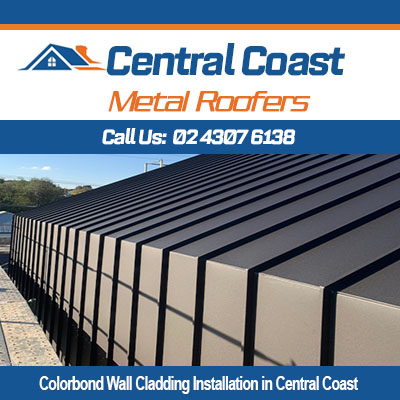
How often should cladding be cleaned and what cleaning products should be used?
Keeping your exterior wall cladding clean is important to ensure it lasts a long time and maintains the quality look of your home. For homes with central coast cladding or coastal cladding installation, regular cleaning helps prevent dirt buildup and damage from weather.
- Frequency: Clean your cladding at least twice a year. Homes near the coast or in dusty areas might need cleaning more often to keep the cladding in good condition.
- Cleaning Products: Use mild, non-abrasive cleaning products made for Colorbond wall cladding installation or similar metal surfaces. Avoid harsh chemicals that could damage protective coatings or cause corrosion.
- Method: Clean with a soft brush or cloth using warm soapy water. High-pressure washing can be used carefully but avoid spraying too close to the surface to prevent damage.
Regular cleaning and maintenance help keep your cladding looking fresh and protect your home over time.
What are the signs of damage to look for on Colorbond steel wall cladding?
Checking your central coast colorbond steel cladding regularly helps you find damage early and keep it durable. Watch for these common signs:
- Corrosion and Rust: Check for rust spots or corrosion, especially around joints and edges where moisture may collect.
- Chipping or Peeling: Look for paint or coating that is chipping or peeling, as this lowers the cladding’s protection.
- Wear and Tear: Fading, dents, or scratches on coastal colorbond wall cladding installation can affect its look and protection.
- Surface Problems: Bulges, cracks, or warping could mean structural issues and should be inspected by a professional.
Spotting these signs early lets you fix problems before they get worse and keeps your cladding working well.
How do I protect my cladding from damage from hail or storms?
Coastal weather can be tough, so it’s important to use coastal colorbond cladding known for being strong and weatherproof. To protect your cladding from hail or storms:
- Choose Impact-Resistant Cladding: Coastal wall cladding installation with strong Colorbond steel offers great durability and resists storm damage.
- Check Regularly: After storms, inspect your cladding for minor damage and repair it quickly.
- Extra Protection: Adding external shields like storm shutters can stop direct impacts from damaging the cladding.
- Professional Installation: Expert Colorbond cladding installation ensures the cladding fits well and seals properly, improving weather protection.
Using quality coastal cladding and good care helps protect your home from weather damage.
Can cladding be repainted or recoated to extend its lifespan?
Yes. Repainting or recoating Colorbond cladding helps improve both how it looks and how long it lasts. This is useful for central coast cladding options exposed to sun and salt air, which can wear down finishes.
- Benefits: A new coat protects the cladding, refreshes colour, and extends its life.
- Process: Specialists in cladding Colorbond installation provide repainting and recoating with paints that work well with Colorbond steel.
- When to Recoat: Normally every 10 to 15 years or when you see fading or wear.
- Preparation: Clean the surface well before repainting so the paint sticks better and lasts longer.
Repainting keeps your home looking good while adding protection against the elements.
What type of warranty should I expect from a Colorbond wall cladding installation?
When you invest in central coast colorbond wall cladding installation, knowing the warranty details gives you confidence.
- Coverage Period: Most manufacturers and installers offer warranties lasting 15 to 30 years for Colorbond steel products and installation work.
- What’s Covered: Warranties usually cover material faults, corrosion, and installation issues under normal use.
- Details: Read the warranty terms carefully, including care requirements, exclusions, and how to make a claim.
- Support: Choose experts who provide clear warranty papers and good customer service.
A strong warranty shows trust in the product quality and installation skills, giving you long-term peace of mind.
FAQ
Q: How do I know if my Colorbond cladding needs cleaning?
A: If you see dirt, stains, or moss, it’s time to clean. Coastal homes may need cleaning more often due to salt spray.
Q: Can I use household cleaners on Colorbond steel cladding?
A: Mild soaps are safe, but avoid bleach or abrasives that can damage the protective coating.
Q: Is Colorbond cladding suitable for coastal environments?
A: Yes. Colorbond steel is made to resist corrosion and lasts well in coastal conditions.
Q: What maintenance keeps wall cladding lasting longest?
A: Regular cleaning, fixing small damage quickly, and repainting or recoating when needed.
What are the main benefits of installing Colorbond wall cladding on my home?
Colorbond wall cladding is durable, weather resistant, and requires little maintenance. It helps keep your home cool by reflecting heat and protects walls from elements like sand, dust, and moisture. It also improves the look of your home with a clean, modern finish.
Which types of Colorbond wall cladding are available for installation?
Common types include corrugated iron, panelrib, longline, and interlocking sheets. Each type has different shapes and styles to suit various designs. We can also work with materials like fibreglass and polycarbonate that go well with Colorbond cladding.
Can Colorbond wall cladding be installed in bushfire-prone or coastal areas?
Yes. Colorbond cladding is strong against fire and rust, making it suitable for bushfire zones and coastal areas. Its design and coating provide reliable protection in tough Australian neighbourhoods.
How does the installation process of Colorbond wall cladding work?
Our tradespeople follow detailed plans to fit the cladding tightly. We use power drills and special fasteners to secure the sheets. Installation includes sealing around skylights, solatubes, ventilation points, and other openings to ensure a strong, weatherproof finish.
Are there additional materials or accessories needed with wall cladding installation?
Yes. Items like protective shields, ridge capping, and ventilation parts such as skydomes or velux skylights may be added. Materials like fibreboard or vinyl panelling can also be used depending on your building needs and style preferences.
How can I maintain the appearance and functionality of my Colorbond wall cladding?
Clean off pebbles, sand dune dust, and dirt regularly. Check for any damage after bad weather. Using coatings like Unicote helps keep the colour fresh, especially in places like Bateau Bay or the Gorokan.
Is Colorbond wall cladding suitable for renovations and new builds on the Central Coast?
Yes. Colorbond works well with existing brick, stone cladding, or timber. It fits both renovation projects and new homes. It also matches well with roofing materials such as zinc and corrugated metal, making it popular with home builders and renovators in NSW Central Coast and surrounding areas.
How can I get a quote or more information about your wall cladding services?
You can contact us by phone or email. We offer free quotes that suit your budget and needs. We provide a wide range of products from leading Australian brands and quality building supplies.
Central Coast Colorbond Wall Cladding Installation Insights
- We specialise in expert installation of Colorbond wall cladding across the Central Coast NSW, offering durable and stylish exterior solutions for homes and businesses in Gosford, Bateau Bay, and nearby areas.
- Our wall cladding installation uses quality Colorbond materials like Basalt, Woodland, Shale, Baroque, Dominion, Heath, and Kimick to provide strong protection and attractive finishes.
- Choose from a variety of colour options with wall cladding Colorbond variations that increase energy efficiency and weather resistance for properties on the Central Coast and in the Berkeley Vale.
- We provide full installation services for patios, vinyl wall cladding, and other exterior projects in Gorokan, Gosford, and surrounding areas.
- Opting for Colorbond coast installation offers you excellent corrosion resistance, low maintenance, and modern colours such as Coolmax and Zenith built to withstand Australia’s climate.
- Our team can help you select the right wall Colorbond based on your budget, style, and location, ensuring strong and lasting results for all projects.
- At Central Coast Metal Roofers, we focus on precise and careful installation of Colorbond wall cladding to protect your property’s value and enhance its look.
- Call us today to talk about your wall cladding needs or to get a free quote. Our friendly staff are ready to answer your questions and arrange an onsite visit.
- For exterior upgrades, trust local roofers on the Central Coast NSW who use top-quality materials and know the area well, serving clients in Erina and the wider region.
- Keep your property safe and looking good with our professional installation of wall cladding suited to both coastal and inland locations.
- Touch base with us now if you want to add strong, modern Colorbond wall cladding that fits your home’s style and offers great weather protection.
- Our installation of Colorbond wall cladding is designed to fit your building’s features, helping improve thermal performance and lower maintenance costs over time.
- Using top materials and tested installation methods, we ensure wall cladding Colorbond variations provide a solid, long-lasting shield against the tough weather typical of the Central Coast and areas nearby.
- See how wall Colorbond installation can improve your building’s look, raise its value, and boost energy efficiency for both homes and businesses.
- Whether you are in the Green Point, Hamlyn Terrace, or Kariong, our expert team guarantees smooth Colorbond coast installation that meets Australian standards and local rules. Latitude: -33.352085413015324, Longitude: 151.43473350806747